22 Jul 2026
Multiplier Interactions and Cascade Dynamics in Linked Prize Slot Architectures
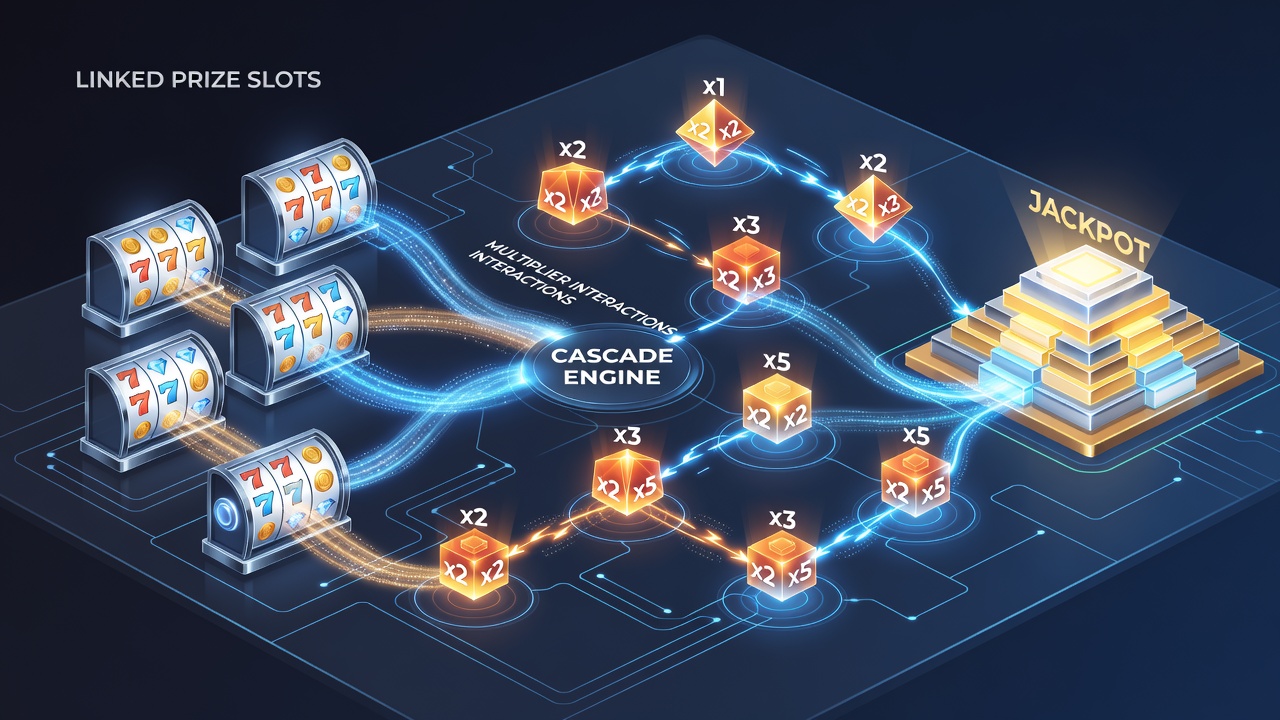
Linked prize slot architectures connect multiple machines or game instances into shared jackpot pools where multipliers accumulate across player sessions and geographic locations, while cascade dynamics trigger sequential win evaluations that feed into those same pools. These systems operate through centralized servers that track contributions from each spin and apply multiplier values based on predefined rulesets established by game developers and certified testing labs.
Core Components of Linked Prize Systems
Linked prize setups rely on progressive meters that rise with every qualifying bet placed across participating terminals, and this structure allows multipliers to interact by stacking onto base game wins before they contribute to the central pool. Data from regulatory reports shows that such linkages often span multiple operators, which creates larger prize pools but also introduces synchronization requirements between different software platforms. Observers note that the architecture typically includes seed values for jackpots alongside contribution percentages ranging from 1% to 5% of each wager, depending on the jurisdiction and game configuration.
Cascade mechanisms activate when a winning combination clears symbols from the reels, allowing new symbols to drop into place and potentially form additional wins within the same spin cycle. In linked environments these cascades carry forward any active multipliers, which then apply to subsequent evaluations and increase the overall payout before funds transfer to the progressive meter. Research indicates that cascade frequency rises in games featuring cluster pays or tumbling reels, and this pattern becomes more pronounced when multiple players contribute simultaneously to the shared prize.
How Multipliers Engage With Cascade Sequences
Multipliers in these architectures often begin at fixed values such as 2x or 5x and escalate through repeated cascade triggers or through cross-game bonuses that pull from the linked network. When a cascade occurs, the system evaluates whether the multiplier should persist, double, or reset based on the specific game rules coded into the random number generator and bonus engine. Those who've examined certification documents from independent labs find that these interactions undergo rigorous testing to ensure fairness across varying bet levels and player volumes.
One documented pattern appears when a base game multiplier combines with a progressive qualifier, which sends an amplified amount into the linked pool and simultaneously resets or carries the multiplier into the next cascade step. Figures from industry analyses reveal that such combined events account for a measurable portion of top-tier payouts in networked systems, particularly during high-traffic periods. What's notable is how the timing of these interactions depends on server latency and the order in which contributions arrive from different terminals.

Network-Level Synchronization and Data Handling
Servers managing linked prizes must reconcile multiplier states across all connected games within milliseconds to prevent desynchronization that could affect payout accuracy. This process involves timestamped transaction logs and checksum validations that confirm each cascade sequence has applied the correct multiplier before updating the shared jackpot display. Reports compiled by testing organizations such as Gaming Laboratories International detail the protocols used to verify these operations under peak load conditions.
Developers implement rules that govern whether a cascade-generated win qualifies for the linked prize or remains confined to the local game, and this distinction influences how multipliers scale across the network. Data shows that games configured with broader qualification criteria tend to distribute contributions more evenly among participants, whereas stricter rules concentrate larger multipliers on fewer winning events. In July 2026 several markets released aggregated performance metrics that highlighted increased cascade activity coinciding with network expansions in multi-jurisdictional deployments.
Regulatory and Technical Standards Across Regions
Authorities in different regions impose varying requirements on how multipliers interact with cascades in linked systems, with emphasis on transparency in random number generation and audit trails for every progressive contribution. The Alcohol and Gaming Commission of Ontario, for instance, requires detailed reporting on multiplier persistence across cascades to confirm compliance with player protection standards. Similar frameworks exist in other jurisdictions that prioritize verifiable fairness in networked prize environments.
Technical specifications often reference maximum multiplier caps and cascade depth limits to maintain game volatility within approved parameters. These limits prevent unbounded growth that could destabilize prize pools or create unintended payout ratios. Analyses from academic sources including studies published through the University of Nevada, Las Vegas gaming research programs have examined how these constraints shape long-term return-to-player outcomes in linked architectures.
Conclusion
Multiplier interactions and cascade dynamics form integral parts of linked prize slot architectures through synchronized server processes, rule-based escalation mechanics, and regulatory oversight that ensures consistent application across connected games. The interplay between these elements determines how individual spins contribute to shared prizes while maintaining certified randomness and payout integrity. Continued monitoring by testing labs and regional authorities supports ongoing refinement of these systems as network scale and game complexity increase.